




BEHAVIOUR & AIR QUALITY
IMPACT ON BEHAVIOUR AND INDOOR AIR QUALITY
DOCUMENTED EFFECTS ON ANIMAL WELFARE & INDOOR AIR QUALITY
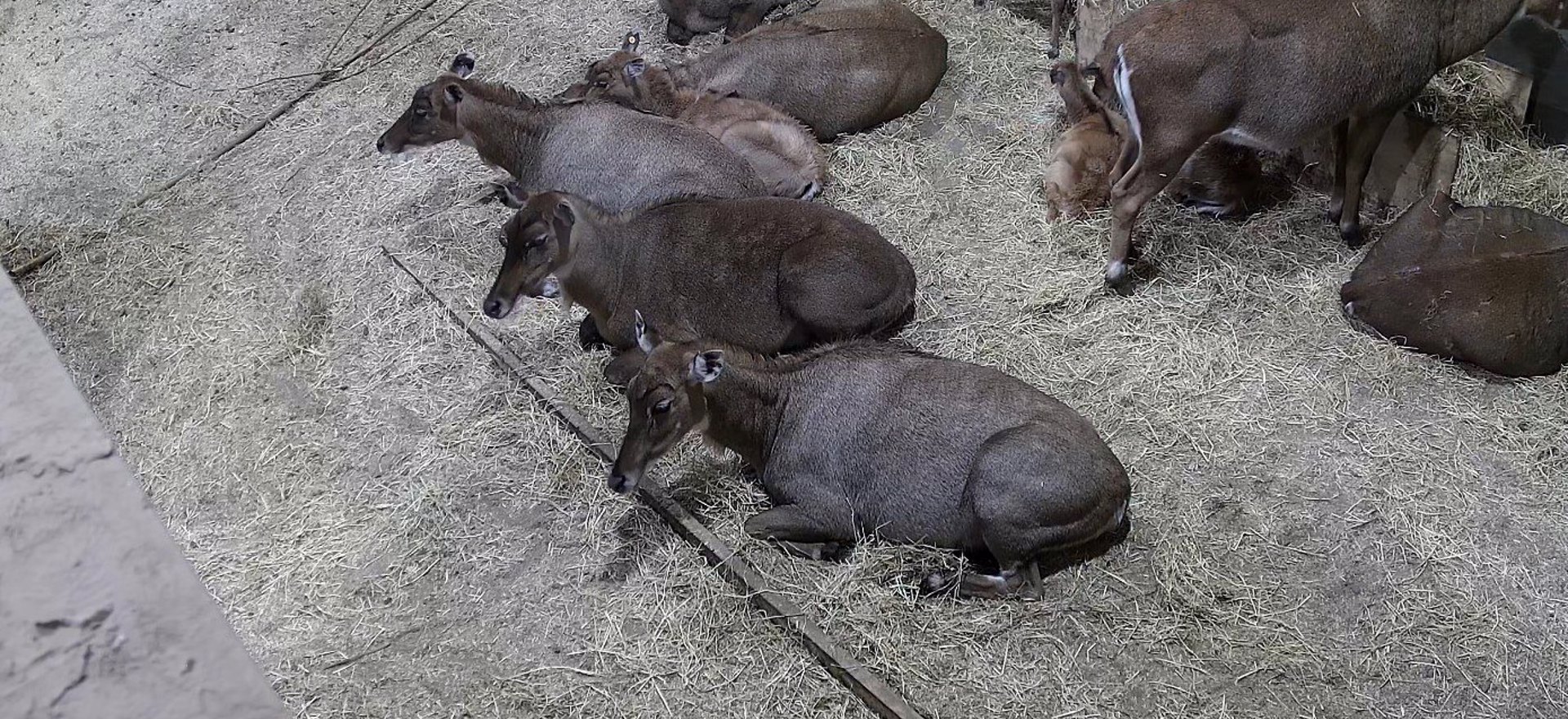
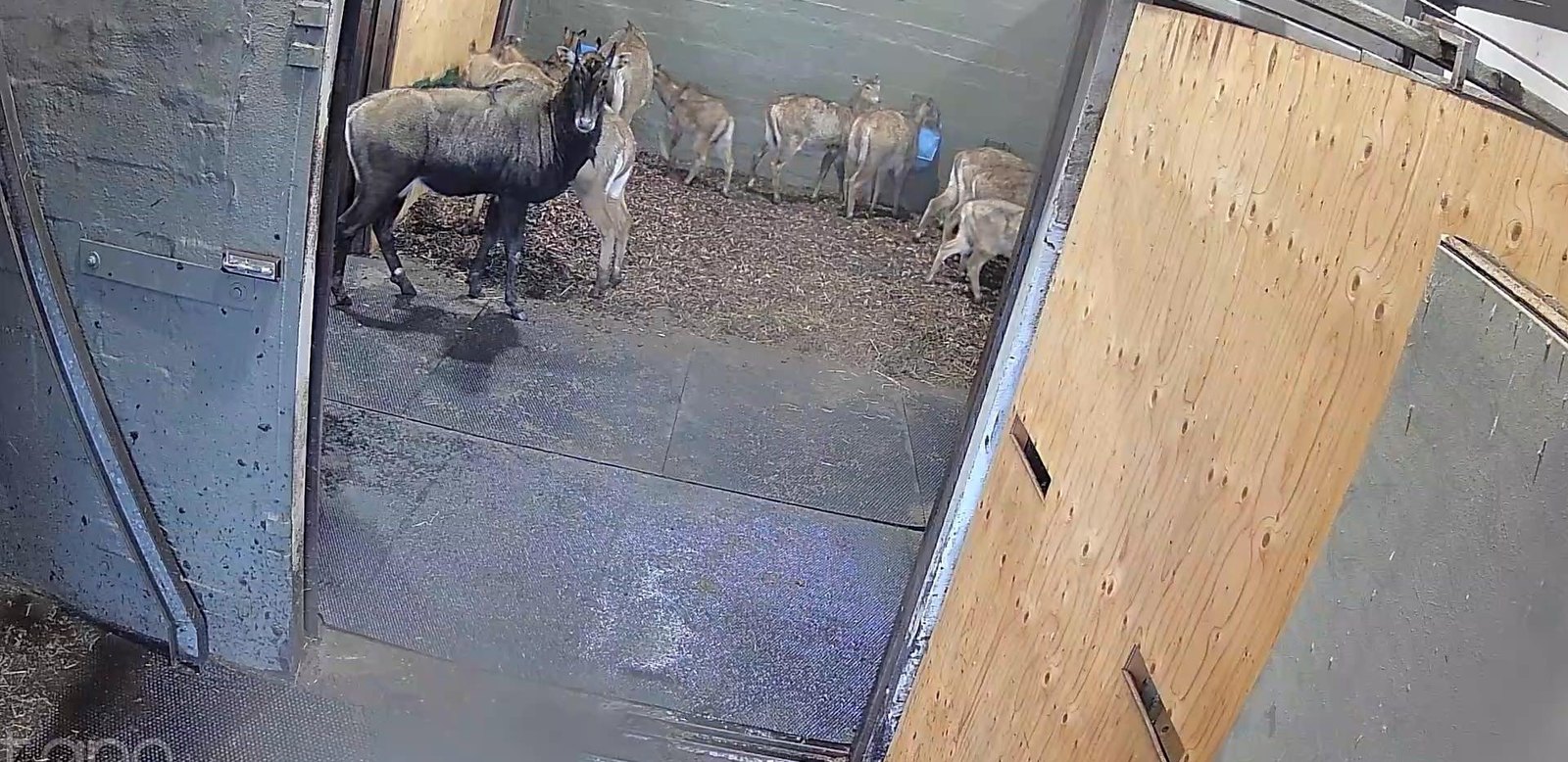
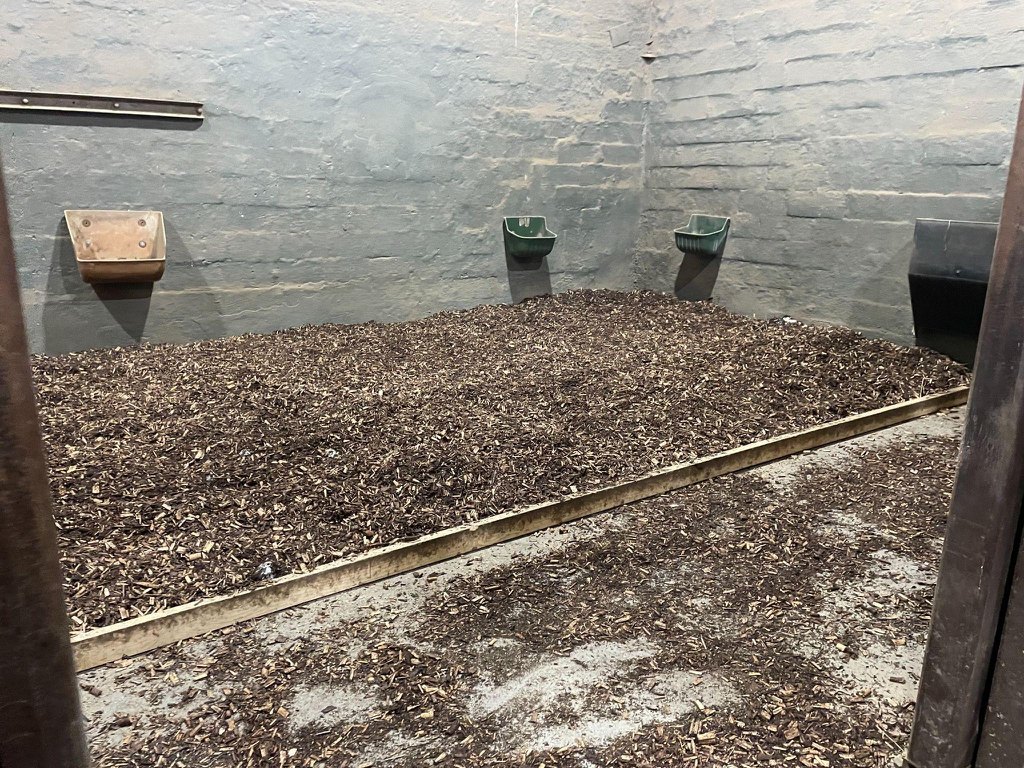
Most of what we know about BIOBED comes from the daily experience of zookeepers. This case is different. It is a controlled before-and-after study, carried out over four months in the nilgai stable at Givskud ZOO – Zootopia, with systematic behavioural observations and instrument measurements of the stable air.
The study was conducted by Stephanie Maria Lanchow as her final examination project as a zookeeper specialising in zoo animals (Hansenberg), in collaboration with Givskud ZOO – Zootopia and Ny Vraa.
EXECUTIVE SUMMARY
The project compared conventional wood shavings with a Biobed system under normal operating conditions. The documented results indicate improved resting behaviour and indoor enclosure use, alongside substantial reductions in ammonia, airborne particles and volatile compounds. Daily maintenance increased by approximately five minutes, primarily due to watering.
1. Introduction
Providing high standards of animal welfare while maintaining a healthy working environment is a continuous challenge for modern zoological institutions. Traditional bedding materials such as wood shavings are widely used but may contribute to dust formation, ammonia accumulation and reduced indoor air quality.
To evaluate an alternative approach, Givskud ZOO investigated the use of a Biobed in the indoor enclosure of nilgai (Boselaphus tragocamelus). The project was carried out as part of Stephanie Maria Lanchow's final examination project as a zookeeper specialising in zoo animals.
The study focused on three key areas:
- Animal behaviour and welfare
- Indoor air quality
- Practical daily management
2. Study design
The project compared the existing wood shavings bedding system with a Biobed bedding under normal operating conditions. Data were collected before and after the conversion.
- Behavioural observations
- Distribution of animals inside the stable
- Ammonia measurements (NH3)
- Formaldehyde (HCHO)
- Total Volatile Organic Compounds (TVOC)
- Airborne particles (PM2.5 and PM10)
- Moisture and pH of the bedding
- Daily working routines for zookeepers
This combination of behavioural observations and environmental measurements provided a comprehensive assessment of both animal welfare and stable conditions.
3. Key findings
The study documented substantial improvements following the introduction of the Biobed.
- Formaldehyde (HCHO) – 90% reduction. Lower concentration.
- TVOC – 88% reduction. Lower concentration.
- PM2.5 – 85% reduction. Fewer fine airborne particles.
- PM10 – 82% reduction. Fewer airborne particles.
- Ammonia – 68% reduction. Lower concentration.
Animal welfare. Following the conversion, both adult nilgai and calves spent considerably more time resting inside the stable. The animals also distributed themselves more evenly throughout the enclosure instead of gathering in a few preferred locations. This behavioural change may indicate increased comfort and confidence in the indoor environment.
Indoor air quality. The project documented significant reductions in airborne contaminants. The reduction in ammonia and airborne particles contributes to a healthier indoor environment for both animals and animal keepers.
4. Practical experience
Implementation of the Biobed required only minor changes to the existing management routines.
Watering. Every third day was identified as the optimal maintenance interval to maintain suitable moisture levels and microbial activity.
Daily time. Daily maintenance time increased by approximately five minutes, primarily due to watering.
Despite this small increase in labour, the documented improvements in animal welfare and indoor air quality indicate that the operational benefits outweigh the additional workload.
5. Conclusion
This case study demonstrates that replacing conventional wood shavings with Biobed can significantly improve the indoor environment of zoological animal housing.
- Improved resting behaviour
- More even use of the indoor enclosure
- Lower concentrations of ammonia
- Reduced levels of airborne particles
- Lower concentrations of volatile compounds
- Improved conditions for both animals and zookeepers
Although slightly more daily maintenance was required, the biological bedding system proved practical to manage while delivering measurable improvements in environmental quality.
6. Why this matters for zoos
Animal welfare and environmental sustainability are increasingly important priorities for zoos worldwide. Housing systems are expected not only to provide safe and comfortable conditions for animals but also to support healthy working environments for staff and contribute to more sustainable management practices.
DOWNLOAD THE DOCUMENTATION
Executive summary – Documented effects on indoor air quality and animal welfare (PDF)
The full study – From wood shavings to Biobed, Givskud ZOO 2026 (PDF, 25 pages)
Contact for more information
Morten Jørgensen, Ny Vraa
M: 45553872
E: msj@nyvraa.dk